

The Rimwalker Series
sin bandâ-kerdetis natus
an award-winning trilogy of mythological, literary horror, and fantasy companion novels that explores Irish Mythology’s deepest wail-strains.

If you are trying to order Firth's books outside of the United States, Contact Us and we will work with you!

Autumn, 2025
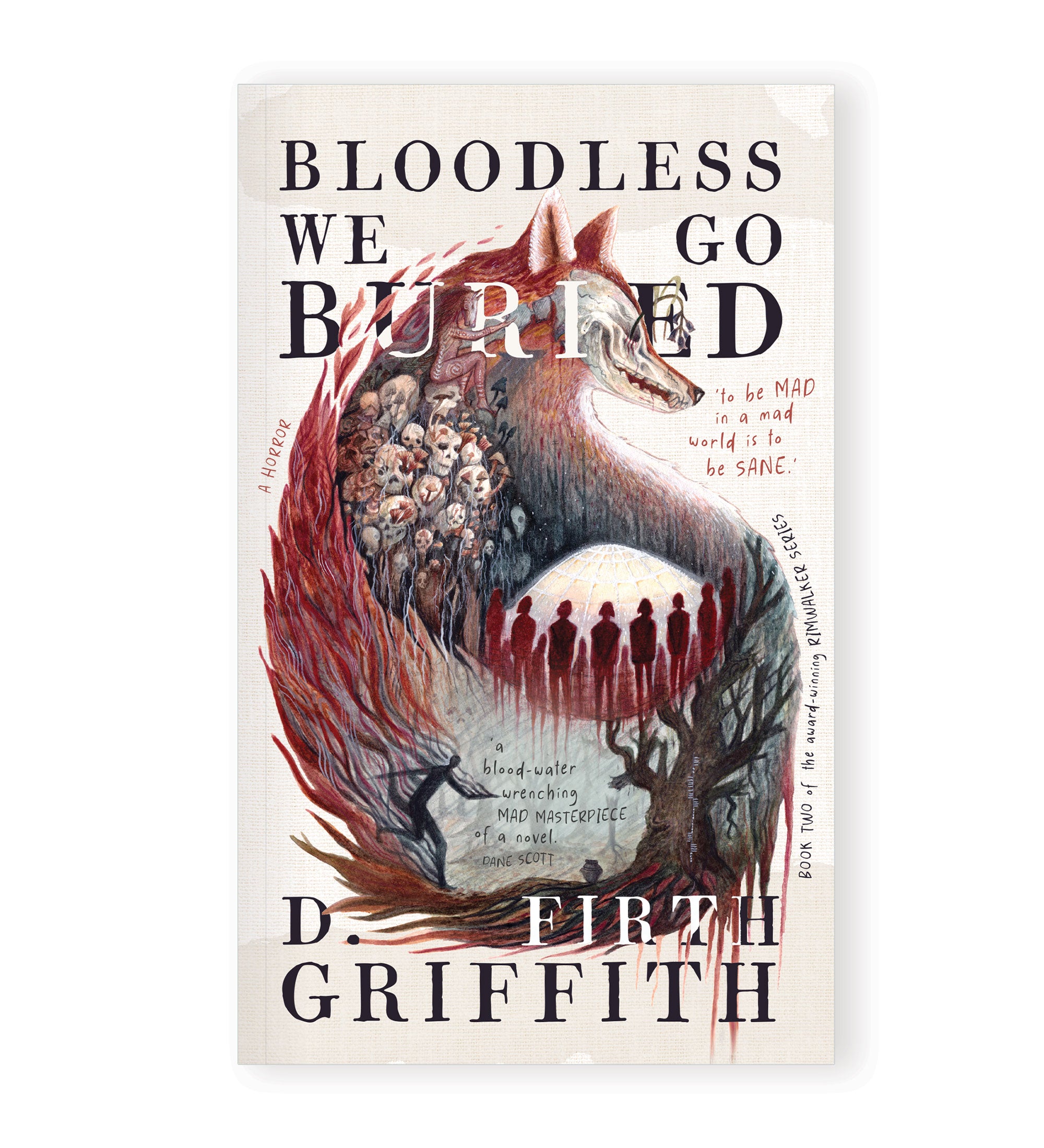
A literary horror novel that bends Shakespeare's Hamlet into a hell of Irish Mythology, tracing themes of grief, identity, and power in a post-apocalyptic theatre where a crippled father and a little red fox fights monsters at the end of the world...
The story follows Lu, a crippled father struggling to keep his dying son safe in the aftermath of the Cataclysm, an apocalyptic event that ended with humanity living in the Dome under the reign of Salience, a unknown power set on keeping the people distracted, separated, and too busy to fight back, to think. Lu moves by dragging himself around the haunted hallways of their home and fields of flowers that line their home under the dying shade of what they call the Star Oak, lost in the grief of a world without memory. When a strange creature visits him in the night and Salience comes for his son, Lu is left to reckon with finding something to live for...
The acclaimed author of the "mastery of mythology" (Independent Book Review) and the Fantasy Book of the Year (Independent Press) The Plain of Pillars returns with a literary horror novel that is a provoking and lyrically-abstract meditation on grief and hope and the monstrous tides of love. Griffith summons from the deep past and the portended future a bold and evocative story with stunning prose and deep emotional rigor. A blend of the weird, the blunt, and the tender, Bloodless We Go Buried offers, with uncanny and chilling clarity, the precise portrait of the Cauldron of our rebirth, asking what does it mean to be reborn when the world is already burning?
Spring, 2025
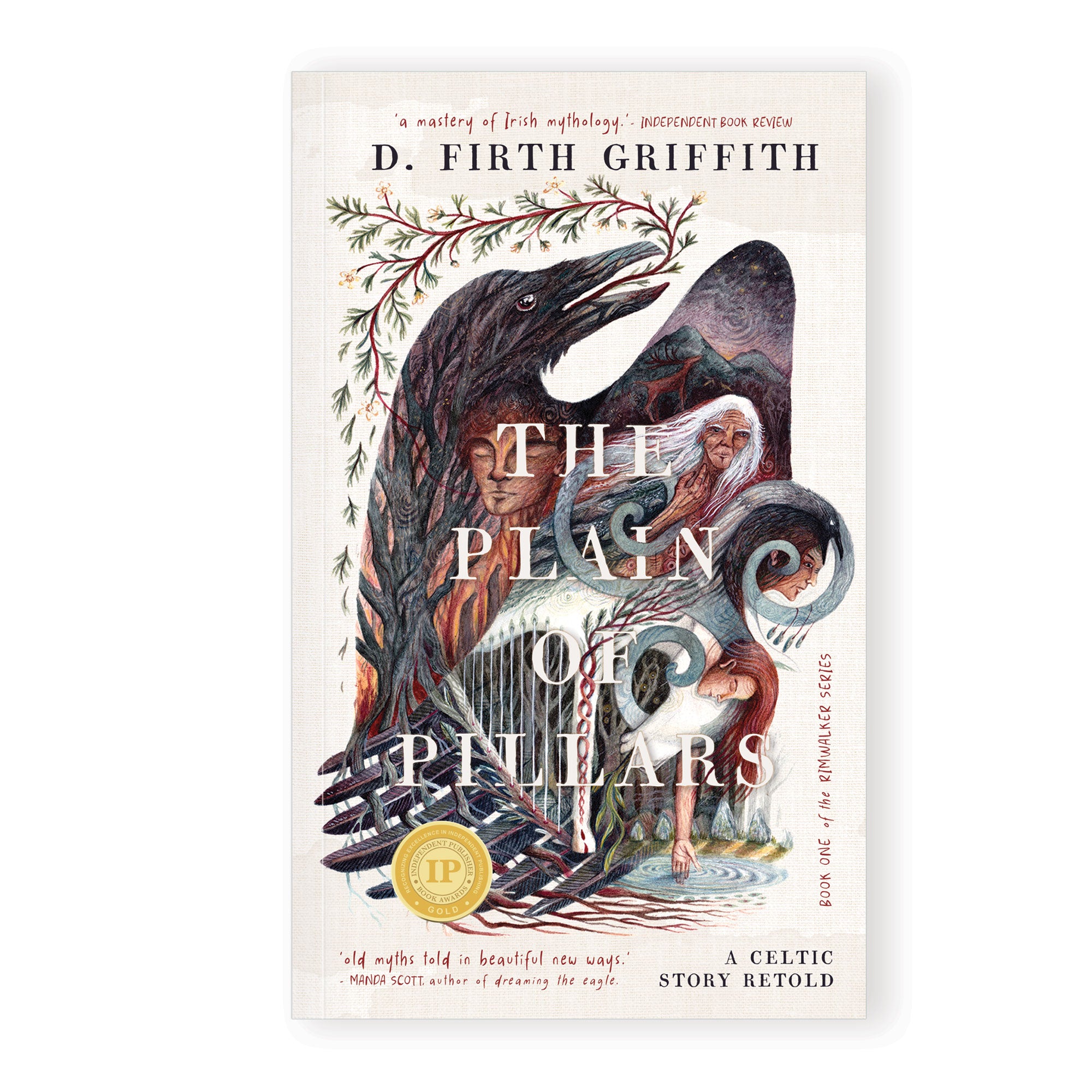


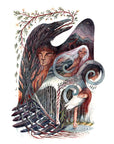
🥇 A 2025 Independent Publishers GOLD Award, Best in Fantasy.
🥇 A 2025 PenCraft 1st Place in Fiction.
🥇 A 2025 National Indie Excellence Finalist in Fiction.
From the yellowing mane of a horse and the deep roots of mugwort’s silver lace is born a boy who can sing like Sun, who can restore the boundless colors beyond bondage. But to do that, he has to kill the Mountain. And there the journey begins and ends…
An ancient people discover the brutality of peace in this Fantasy Book of the Year (Independent Press) rooted within the Celtic fringes of Ancient Ireland. A subversive retelling of the Cath Mag Tuired, or The Second Battle of Moytura, the Irish battle-saga between the Tuatha Dé Dannan and the Fomorians, The Plain of Pillars has been called “a mastery of mythology” (Independent Review) and “a form of resistance against colonization and cultural extinction” (Kirkus Reviews) that “weaves a vibrant tapestry of hope, resilience, and magik” (Literary Titan).
Griffith’s triumphant version of this Irish myth heightens the latent Insular Celtic oral texture in the original manuscript and its tension with colonialism and language, transmitting a story that can be located in the heart of every reader inside theme-veins of kinship with a dying world, hope in the one-eyed face of genocidal hate, and the promise that stories have power enough to shape the clay of man and Earth Mother both.